Home batteries hanging on a wall could be outmoded by electrified cement, developed by researchers at the Massachusetts Institute of Technology.


Home batteries hanging on a wall could be outmoded by electrified cement, developed by researchers at the Massachusetts Institute of Technology.

Chronic pain is a more common medical condition than depression or diabetes. Treating it focuses on managing the discomfort because there is no cure that has proven reliably effective.

Falling water holds a lot of power, as any 18th-century mill operator knew. For some time, scientists have been trying to figure out how to capture the power of falling raindrops to generate electricity.

Linking the human brain with a computer makes good science fiction and has inspired ventures such as Elon Musk’s Neuralink, which aims to let you control devices with electronics implanted in your brain. Other less adventurous, and invasive, trials have outfitted subjects with skullcaps studded with electrodes.

Geothermal energy’s champions point to enormous amounts of energy locked in hot rocks under the ground: we drill down, pipe hot water down into the rocks to make steam, and collect the steam to spin turbines and generate electricity.

If current trends persist, renewable energy will claim a third of new global electricity generating capacity by 2030, according to a new report from the nonpartisan, nonprofit Rocky Mountain Institute (RMI).

Using Nobel Prize-winning CRISPR gene editing technology, researchers at North Carolina State University have smartened up poplar trees to make them a better source of wood fibers.
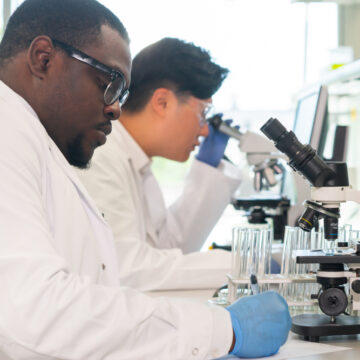
For almost two decades, scientists have been experimenting with “Yamanaka factors,” special molecules that convert adult cells into stem cells—cells that can be nudged to become any of a range of different kinds of cells.

The ground underlying urban centers is shifting, causing buildings’ foundations and structures to crack, and the cause is the world’s rising temperature, according to a first-of-its-kind study just released by researchers at Northwestern University.

Psychedelic drugs are having a moment as the new breakthrough treatment for depression.