Plastic and epoxy resins are made from petroleum, in part because the carbon in petroleum creates strong bonds that hold the materials’ long chains of molecules together.


Plastic and epoxy resins are made from petroleum, in part because the carbon in petroleum creates strong bonds that hold the materials’ long chains of molecules together.
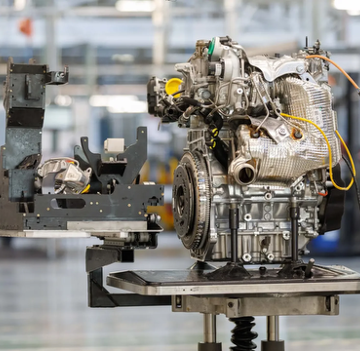
Horse Powertrain has a good thing going. A 2023 spinoff from a partnership between Renault and Chinese EV maker Geely, it has emerged as the world’s third-largest maker of auto engines, supplying Nissan, Volvo, and other companies as hybrid cars’ sales have soared in the past three years.

As we age, the neural stem cells in our brains gradually weaken and are no longer able to multiply and create new brain cells. That contributes to the mental decline associated with aging.

At the Massachusetts Institute of Technology, computer engineers have found a way to capture and redirect waste heat so chips can use it to process data.

“Trust is not a virtue when it is blind. It is a responsibility when it is earned.”
— Gary Null

Neiry, a Moscow research company, is testing cyborg pigeons that could take over some aerial surveillance chores from drones.
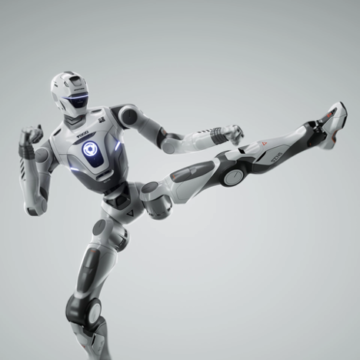
China has inaugurated the Ultimate Robot Knockout Legend (URKL 2026), a mixed martial arts tournament that will last throughout this year. The ultimate victor will win a gold championship belt worth ¥10 million, or about $1.44 million.
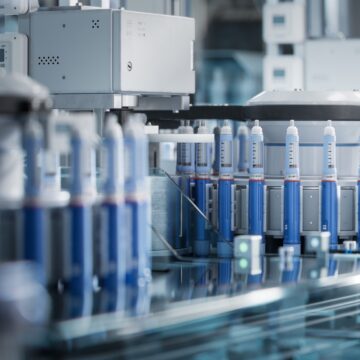
Ozempic, Wegovey, and other in-demand weight-loss drugs work by slowing digestion, making your stomach feel full longer and delaying the sense of hunger.
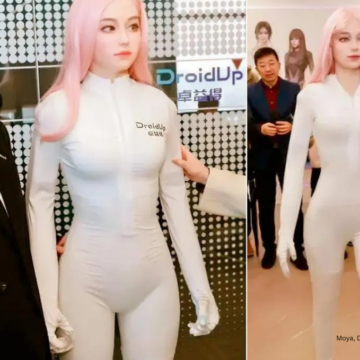
While many Chinese robotics developers focus on industrial designs or robots displaying superhuman feats of strength and endurance, Shanghai firm DroidUp has focused on a robot you’d like to have around the house.

At Shanghai’s Fudan University, engineers have solved a problem that has dogged wearables: how to shrink computing power so it can be small enough, and flexible enough, to be woven into fabrics.