Although U.S. apartment rents continue to climb nationwide, the growth continues to slow from the double-digit annual gains they marked during the COVID War, when record home prices drove rental rates higher with them.


Although U.S. apartment rents continue to climb nationwide, the growth continues to slow from the double-digit annual gains they marked during the COVID War, when record home prices drove rental rates higher with them.
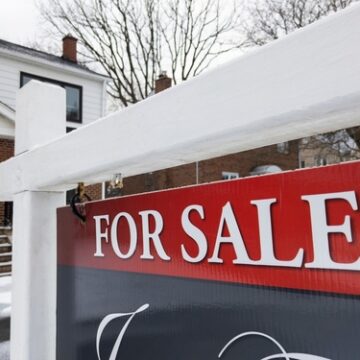
Last month, sales of previously owned homes declined 4.3 percent compared to February and 3.7 percent year on year, the National Association of Realtors (NAR) reported.

As private equity funds buy healthcare organizations across the country, at least 12 states have taken action to block the sales.

This year, the U.S. economy will grow more than twice as fast as any other G7 country, the International Monetary Fund (IMF) said in its latest World Economic Outlook report.

Corporate pension funds are moving money from stocks to bonds, and government pensions are trading a share of their equities for alternatives, The Wall Street Journal reported.

After saying earlier this spring that the U.S. Federal Reserve planned three rate cuts this year, and hinting they could begin in June, Fed chair Jerome Powell has put a pause on all that.

So here is the deal, what is going on in the equity markets has nothing to do with the lives of the plantation workers of Slavelandia. The game is rigged by the Robber Barons who control America’s economy... from top to bottom.

Merger and Acquisition took a break when the Federal Reserve and EU began aggressively raising interest rates from their zero and negative levels back in March and July 2022 respectively.

Despite a strong economy, several major banks muted their earnings forecast for this year, citing the need to pay higher interest on customers’ deposits.

Here is the hard fact. No one in the world, other than The Trends Journal, had forecast that a Top Trend of 2024 would be a “GOLDEN YEAR FOR GOLD.”