During this fiscal year that began on 1 October, the U.S. government has been borrowing an average of $39 billion a week, running up a budget deficit so far of almost $1.4 trillion, and is now paying $23.8 billion a week in interest on that debt, Fortune magazine reported.
Author: admin
SPECIAL REPORT: IRAN WAR THREATENS GLOBAL FUEL SUPPLIES
U.S. oil reserves increased by three million barrels during the week of 3 July but that was a proverbial drop in the bucket.
GLOBAL INFLATION WILL ACCELERATE, IMF FORECASTS
The renewed hostilities along the Persian Gulf are likely to accelerate global inflation, roil supply chains, and bog down financial markets, the International Monetary Fund (IMF) warned in an 8 July report.
SPOTLIGHT: AI STRAINS THE U.S. UTILITY INDUSTRY
AI’s surging power demand will continue for years.
FED OFFICIAL URGES AN END TO FORWARD GUIDANCE
The U.S. Federal Reserve’s Open Market Committee routinely offers “forward guidance” – an indication of how interest rates might change in the future – after its meetings.
U.S. TRADE DEFICIT GREW IN MAY
The U.S. global trade deficit leaped up 42.2 percent in May, year on year, to $77.6 billion, a 14-month high, driven by a record high value of imported capital goods, the commerce department reported.
MORE AMERICANS HAVE STOPPED LOOKING FOR WORK
Although the U.S. jobless rate held steady at 4.2 percent last month, the number of Americans no longer looking for work because they have no expectations of finding a job is rising, according to a Newsweek analysis.
LAST WEEK: S&P NEARS RECORD ON SK HYNIX’S BLOCKBUSTER IPO
Computer chips and AI were back in vogue last week.
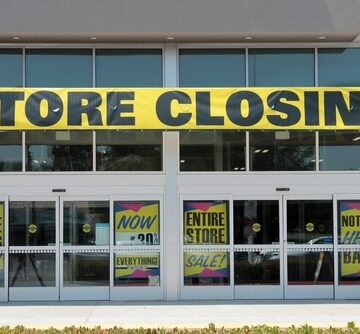
GOING OUT OF BUSINESS TRENDS
The economic fallout from years of inflation, high borrowing costs, shifting consumer behavior, and mounting operational expenses continues to claim businesses across a wide range of industries.
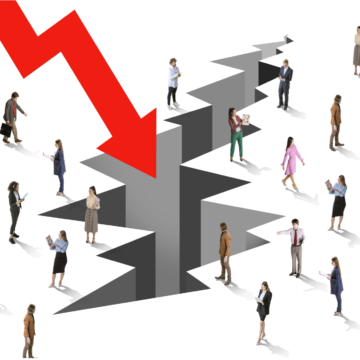
WHEN THE ECONOMY FALLS, JOBS GO WITH IT
As employers seek greater efficiency through automation, artificial intelligence, restructuring, and outsourcing, consumers and businesses alike are pulling back spending.