A few overarching themes can explain and connect a lot of the core aims of technocrats. Technocrats are driven by a quest to comprehensively apply science in order to engineer progress.


A few overarching themes can explain and connect a lot of the core aims of technocrats. Technocrats are driven by a quest to comprehensively apply science in order to engineer progress.
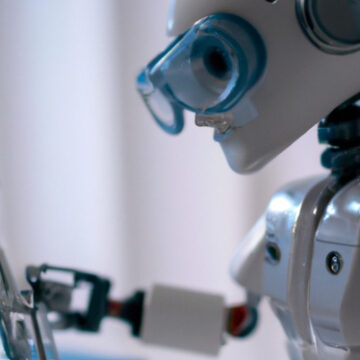
Computers have suggested around 150,000 promising new materials that could improve everything from battery electrodes to fabrics.
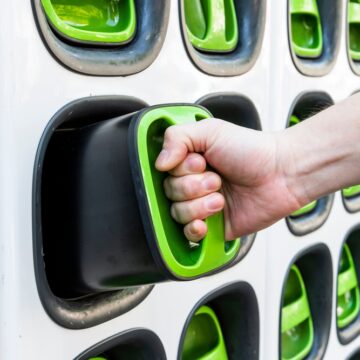
Gogoro, the Taiwanese maker of electric motor scooters, has deployed more than 2,000 battery-swap racks around the island nation so people riding its scooters—as well as people riding electric motorcycles—need not fear of being far away from a new supply of power.

More than nine million people around the world are born with diabetes. Those lucky enough to be able to control it rely on electronic pumps to shoot insulin into their bloodstreams when needed.

Stanford University and the U.S. energy department’s Stanford Linear Accelerator Center (SLAC) have combined forces to create the new SLAC-Stanford Battery Research Center. Its focus is on merging government investment and the technological savvy of Silicon Valley to invent “batteries and energy storage technologies with the goal of developing a sustainable path for electrifying key economic sectors, including transportation, the electric grid, industry, manufacturing and development.”
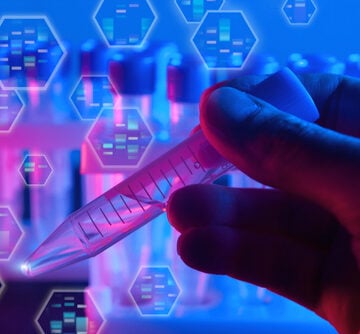
Cyborg cells—living bacteria infused with a polymer network created by scientists at the University of California Davis—can survive the body’s immune system and deliver a lethal chemical cocktail to cancer tumors, the researchers have shown.
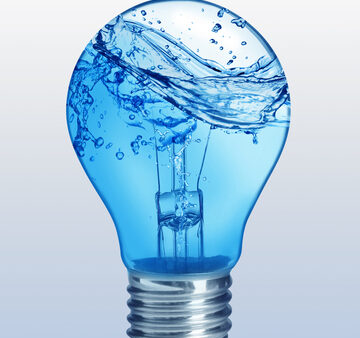
No one’s built a working prototype yet, but engineers at Texas A&M University have used detailed computer calculations and initial experiments to show that water-based batteries are not only possible, but better than today’s workhorse lithium-ion power cells.

The brain cancer called glioblastoma has a 100-percent fatality rate. A person’s median survival time after being diagnosed is just 16 months.

Social media has long been a cesspit of breathless rumors, baseless conspiracy theories, and outright lies.

Coffee cup lids, the plastic film encasing paper towels, and the infinite number of single-use plastic shopping bags can be the source of energy and raw materials, if we only knew how to unlock their chemical bonds at a practical cost.