A new design of computer chip not only speeds up digital processes but also can handily manage tasks that can boggle today’s AI systems.


A new design of computer chip not only speeds up digital processes but also can handily manage tasks that can boggle today’s AI systems.

According to medical journalist Robert Whitaker, author of “Mad in America” and publisher of madinamerica.com, the widely-made claim that antidepressants work for nearly 7 out of 10 real-world patients is based on research misconduct and scientific fraud.

In “Protein Prevents Cell Senescence, Combats Age-Related Decline” (23 Jan 2024), we alerted readers to research from Osaka University that showed promise in neutralizing or reversing symptoms of aging.
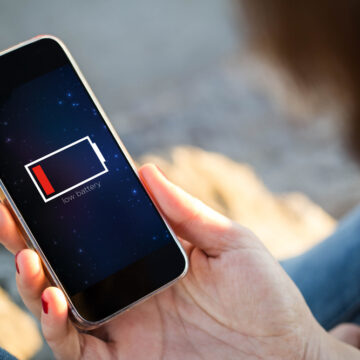
Chinese company Betavolt has created a nuclear-powered diamond battery that, it says, could power a smartphone or similar device for 50 years or keep a drone in the air indefinitely.
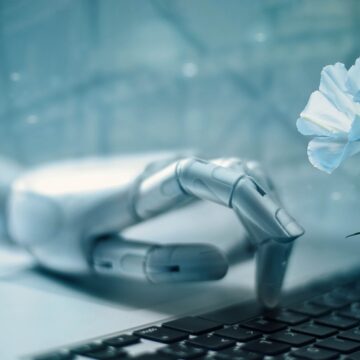
Scientists have been altering genomes in bacteria for years, producing bugs that can excrete pharmaceutical drugs or eat toxic waste.
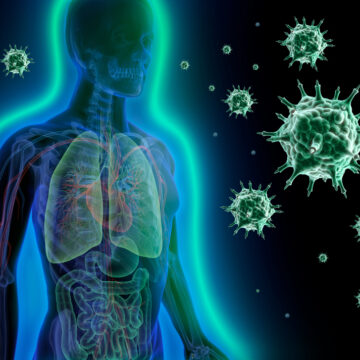
“-Omes” are big in science right now. First, the human genome was decoded. The microbiome—the menagerie of bacteria in your gut—has been found to be the key to many aspects of health.

Back in 2021, the Danish government began recruiting funding and technological partners to build “energy islands,” giant installations in the North Sea’ choppy waters.
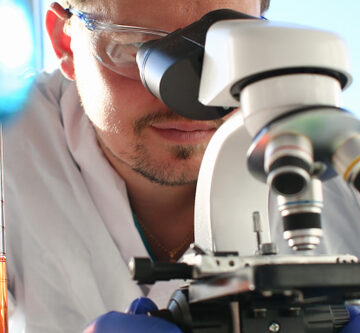
In a first, humans have received blood infusions including red blood cells grown in a lab from stem cells. The treatments were part of a clinical trial to see if the manufactured cells are safe, how long they last, and whether they create side effects.
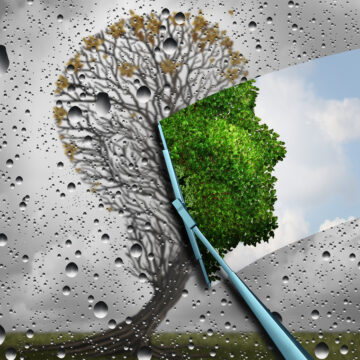
Elderly cells in our bodies stop functioning but live on after a fashion, malfunctioning, causing inflammation, and emitting waste and other damaging chemicals into the bloodstream.

Research consistently shows that the percentage of carbon in our air is increasing and scientists agree that we need to reduce it.