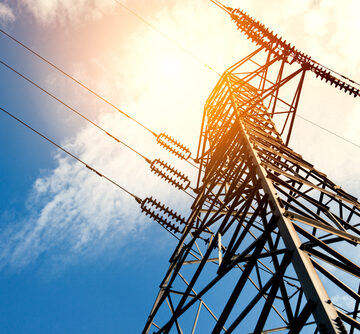
From crypto mining to power-hungry AI data centers to the rise of electric cars, the world’s demand for electricity is growing faster than utility companies can hang cables.


From crypto mining to power-hungry AI data centers to the rise of electric cars, the world’s demand for electricity is growing faster than utility companies can hang cables.
Carbon dioxide as a waste gas can be a source of energy, but that energy is in the form of heat that ebbs away when the gas is released.

Peeling the valuable electronic components and useful metals from discarded circuit boards is labor-intensive and time-consuming.
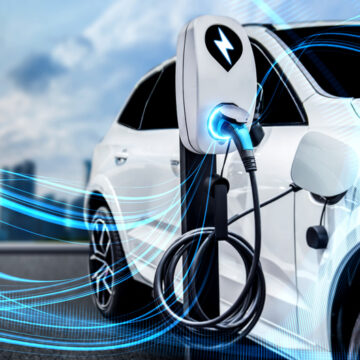
Sodium-ion batteries are emerging as a near-term alternative to the standard lithium-ion cells that power electric vehicles (EVs) now.
A research team at the University of North Carolina at Chapel Hill has reported a first: the group engineered DNA and proteins to synthesize cells that look and act like those in the human body but have improved capabilities.

As many as three million American adults ages 65 and older are beset by depression, according to figures from the Pew Research Center.

Supplies of lithium, the clean energy transformation’s precious metal, are projected to fall millions of tons short of demand in the years ahead.

A scattering of computer scientists and psychologists are laboring to enable computers to accurately recognize and respond to human emotions.
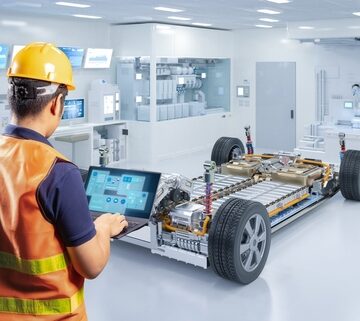
By 2030, a new generation of electric vehicle (EV) batteries will mean that “gas vehicles will cost more than their electric equivalents, some EVs will charge as fast as filling up at a gas station, and super-long-range EVs will make the phrase ‘range anxiety’ seem quaint,” Wall Street Journal technology analyst Christopher Mims wrote on 13 April.

Zapping specific parts of the brain with tiny electric currents can treat neural and psychiatric conditions such as schizophrenia and Parkinson’s Disease as well as control chronic pain.