Scientists at the Howard Hughes Medical Institute have been researching anti-aging compounds for some time and wanted to take their findings beyond the confines of their lab to see how people might make use of them.


Scientists at the Howard Hughes Medical Institute have been researching anti-aging compounds for some time and wanted to take their findings beyond the confines of their lab to see how people might make use of them.

PFAS, a family of chemicals used since the 1940s to make things resistant to grease, stains, and water, have become known as “forever chemicals.”

A new building material from engineers at the Worcester Polytechnic Institute draws its strength from proprietary enzymes that turns carbon dioxide gas into particles of solid minerals.

The gradual wearing away of cartilage, the tough cushion of tissue that separates the bones in joints, is the chief cause of osteoarthritis, a painful and debilitating condition affecting more than 600 million people worldwide and as many as 20 percent of American adults, according to the World Health Organization.

Solid state batteries for electric vehicles (EVs) have been in development for years. Now they’re about to hit the road, according to Chery, a major Chinese automaker.

Bioengineers at the University of California San Diego have good news for the world’s estimated 318 million people facing acute hunger in 68 countries.

Scientists have mastered elementary genomic “literacy” well enough to create genetic structures from scratch for viruses, bacteria, and yeasts.

A Beijing company has logged the first flight of its S2000 “windmill airship,” a giant air duct that rises a mile or more into the air with an encased helium chamber.
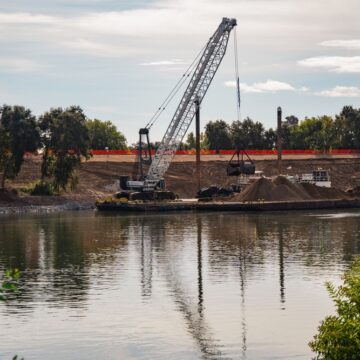
WES-Tec Global is recycling plastic waste. However, instead of turning it into deck boards or lawn furniture, the South Korean startup is using it to make something called the ECOCCUBE – solid blocks that can be used to make levees and shoreline reinforcements in areas prone to flooding.
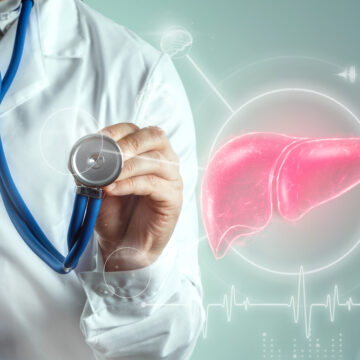
The liver is the only human organ that can regenerate itself when it’s sick or been damaged. However, most people dealing with acute liver failure die before a replacement can be transplanted.