Slashing kids’ recreational screen time to three hours a week dramatically improves their behavior and mental health in a very short time, according to a new study from the University of Southern Denmark.
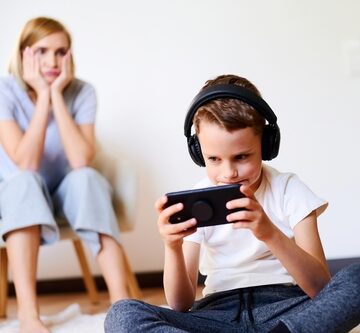

Slashing kids’ recreational screen time to three hours a week dramatically improves their behavior and mental health in a very short time, according to a new study from the University of Southern Denmark.

Elenolic acid, a natural compound in ripe olives and extra virgin olive oil, could be a powerful weapon in beating back the twin epidemics of obesity and diabetes.

Migraine headaches, which can paralyze sufferers for hours or even days, can be triggered by a bright light or seem to come out of nowhere.
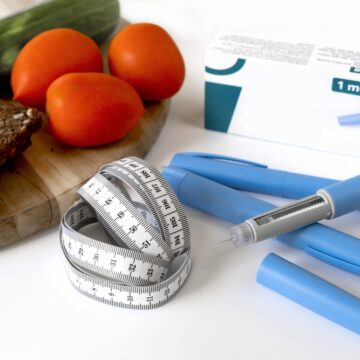
Scientists at Mount Sinai Hospital and the private City of Hope research center have created a combination of drugs that has reversed diabetes in three months in tests on mice.

At Germany’s University of Rostock, scientists blasted plastic waste with lasers and microdiamonds rained out.
In “‘Living Robots’ Made From Frogs” (9 Feb 2021), we introduced readers to Xenobots, biological machines made from frog embryos’ heart and skin cells. Microsurgeons assembled the cells according to a design evolved by a computer. The cells formed tiny organisms that moved.
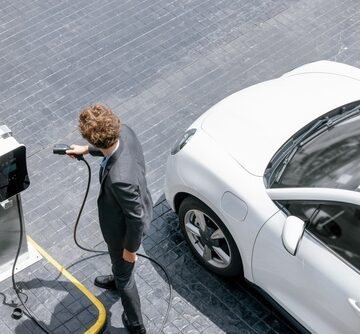
Researchers at the University of Chicago have built the world’s first anode-free, solid-state sodium battery.

We’ve seen the images of Foxconn’s electronics assembly caverns with young women sitting elbow to elbow along seemingly endless benches, assembling iPads and cell phones.

In the 1960s, proponents of LSD urged people to “tune in, turn on, and drop out.” There’s new evidence that you can turn on by tuning in your headphones.

Researchers at the University of San Diego have created a plastic that does away with itself when it’s no longer needed.