A group of U.S. researchers have created a possible Alzheimer’s disease treatment that reversed the condition’s symptoms in mice engineered to develop the illness.

A group of U.S. researchers have created a possible Alzheimer’s disease treatment that reversed the condition’s symptoms in mice engineered to develop the illness.
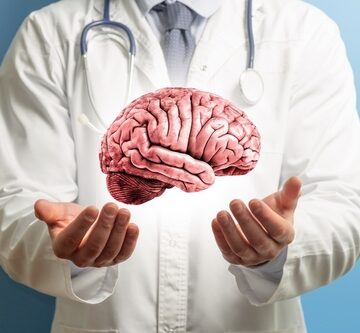
Scientists at Stanford University have experimented with integrating human and mice cells. Researchers turned human stem cells into cells that form the cortex, or outer layer, of the brain.
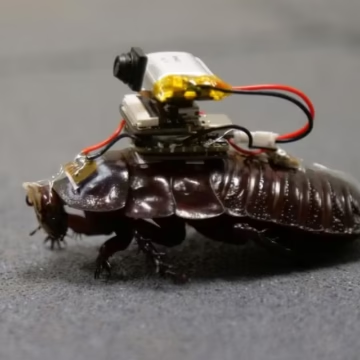
Search-and-rescue teams responding to earthquakes, explosions, mudslides, and other disasters requiring them to dig into piles of rubble for survivors still have their sniffer dogs but now they have cockroaches too – and they’re just as useful.

A newly released study in the United Kingdom found a possible tie between processed meat and the risk of developing dementia, with the risk increasing the more the food is ingested.

Western Australia is laden with rocks rich in magnetite, a form of iron oxide. Researchers at Edith Cowan University found that magnetite can release hydrogen when it encounters hot water under the pressure of tons of overhead soil and rock.

Among the more than 112,000 tons of spent nuclear fuel in the U.S. alone, there lies an estimated $24 billion worth of radioactive isotopes necessary in advanced research, specialized industrial processes, and prized by makers of medical devices.
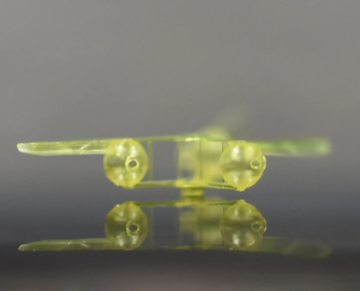
Micro-robots have a practical future in everything from pollution clean-up to water quality monitoring to infrastructure inspection. But they have a problem: the smaller they become, the harder it is to find space for batteries.

Head and neck squamous cell cancer typically begins in the lining of the mouth and throat.
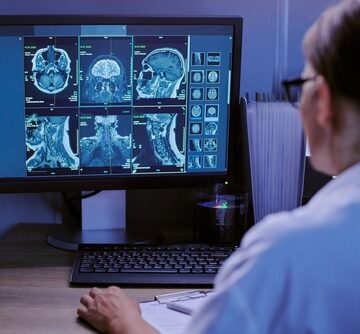
Aging is the greatest risk factor for developing neurodegenerative Huntington’s Disease and amyotrophic lateral sclerosis.

The conversation among scientists about terraforming Mars – making it an Earth-like place where people can live – has been revived. It was long thought impossible.